

TL;DR: Choosing the most sustainable packaging materials isn’t simply about the material that looks the most sustainable.
Understand what large Styrofoam shipping containers really are: separating the myths from the facts
Look at the full picture: temperature control, product protection, weight, fit, reuse, recycling and total cost.
EPS packaging can deliver insulation and cushioning without adding unnecessary weight, while remaining recyclable where processing is available.
Atlas ReGenX adds another advantage by incorporating recycled content into new EPS packaging.
Table of Contents
Styrofoam Shipping Containers: What Are They?
What Is EPS and How Is It Used for Foam Packaging?
Why Businesses Are Reconsidering Shipping Packaging
What Makes Protective Packaging More Sustainable?
Benefits of Using EPS as Your Sustainable Protective Packaging Material
Factors to Consider When Choosing Sustainable Packaging Options
Comparing Sustainable Packaging Solutions
Finding the Right Protective Packaging Solutions
Frequently Asked Questions
If you’re looking to learn more about large Styrofoam shipping containers, start with one important fact: The white foam packaging most people call Styrofoam usually is not Styrofoam at all.
It is expanded polystyrene, or EPS.
That distinction matters. EPS is lightweight, insulating, protective and recyclable where collection and processing are available. It can also be manufactured with recycled content.
So before replacing foam packaging, it is worth understanding what you are really using and what you need your next packaging solution to do better.
Styrofoam Shipping Containers: What Are They?
 |
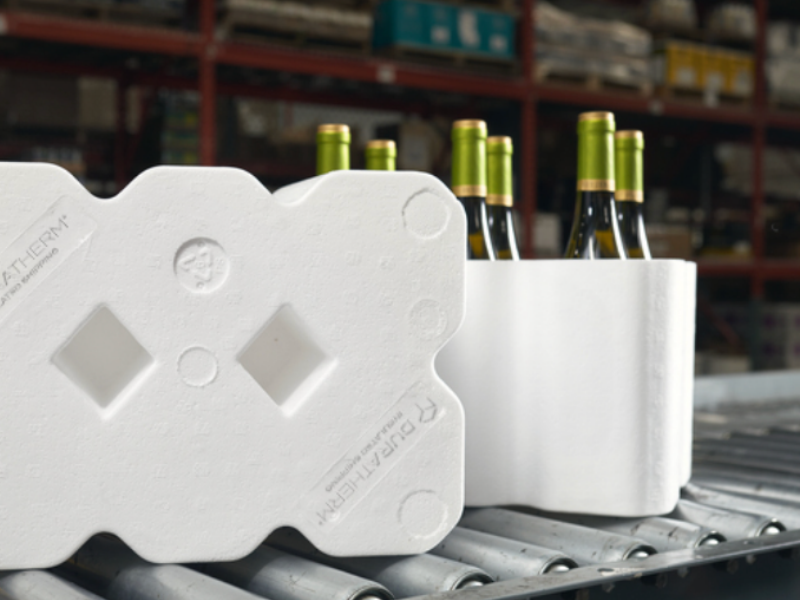 |
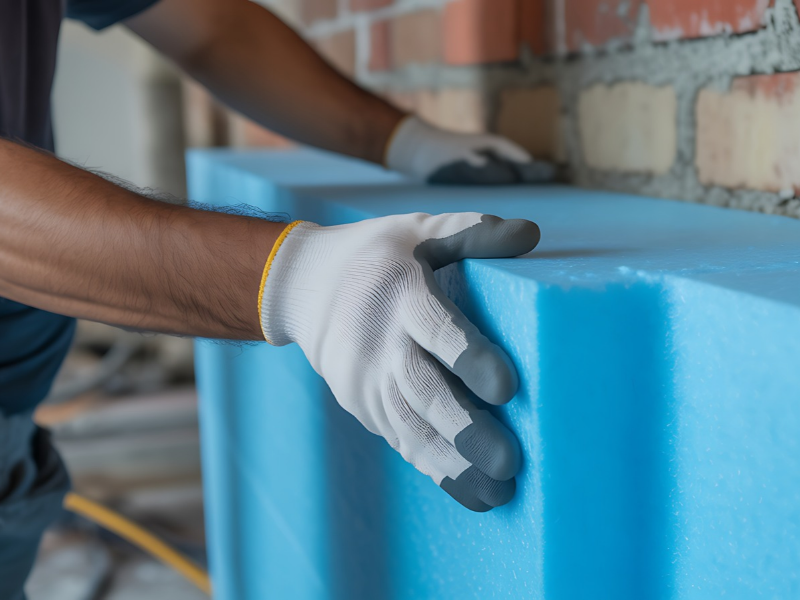
| Styrofoam insulation (XPS) vs | Expanded polystyrene shipper (EPS) |
Let’s clear up the name first.
Styrofoam is a well-known brand name for a type of extruded polystyrene (XPS) foam manufactured by DuPont. This lightweight, rigid material is most often used for building insulation due to its insulation properties and moisture resistance.
Just like how the brand “Kleenex” is a common way to say “facial tissue”, “Styrofoam” has become a common shorthand for white rigid foam used for packaging
In packaging, however, the material people are usually referring to is expanded polystyrene packaging, or EPS. We broke down the technical differences between these materials. Click here to read the blog on Styrofoam vs EPS.
What Is EPS and How Is It Used for Foam Packaging?

EPS is made by expanding small polystyrene particles and molding them into a specific shape. The result is a lightweight material made of approximately 98% air that can provide cushioning and thermal insulation without adding significant weight.
That is the point. EPS gets much of its insulation, cushioning and protective performance without requiring a heavy, solid material.
It’s why EPS is used for products that cannot afford to arrive warm (or cold), broken or damaged. Atlas offers shipping options that deliver the protection and temperature control needed, including:
Insulated food shipping containers
Pharmaceutical and life sciences packaging
Wine shippers
Cold chain shipping boxes
Fragile or high-value products
Custom protective packaging
Larger insulated transport containers
If you’re considering new sustainable packaging options for your business, understanding that difference makes it easier to evaluate the materials that are actually being used in the shipping application.
Why Businesses Are Reconsidering Shipping Packaging
Packaging has to do its job first.
It needs to get the product from one place to another without damage, spoilage or unnecessary loss. At the same time, you’re paying closer attention to how much packaging you use, the materials it contains, and what happens after delivery.
That creates a balancing act for packaging and procurement teams who may be looking to:
Reduce unnecessary material
Incorporate recycled content
Improve recyclability
Reduce packaging and shipping weight
Limit damage and product loss
Improve shipping efficiency
Meet internal sustainability goals
But choosing a material that appears more sustainable does not automatically create a better packaging system. A sustainable package that fails is not a sustainable solution.
If food spoils, medicine leaves its required temperature range or a fragile product breaks in transit, the consequences go beyond a damaged box. The product may need to be replaced. Another package may need to be used. Another shipment may need to leave the warehouse.
That is why the conversation around sustainable packaging has to go further. A packaging decision should reduce waste without creating more of it somewhere else.
💡See how this large appliance manufacturer uses EPS protective packaging for their shipments.
What Makes Protective Packaging More Sustainable?
There is no single feature that makes packaging sustainable. Recyclability matters, but it is only one part of the picture. Businesses should look at the entire packaging and shipping process, including:
| ⬇ Using less material
Doing the job with less is the first step towards sustainable packaging. |
EPS is approximately 98% air. That allows molded packaging to provide structure, cushioning and insulation while using a relatively small amount of raw material. |
| 🚚 Moving less weight
Every ounce of packaging travels with the product. Multiply that across thousands of shipments and packaging weight matters. |
Lightweight insulated shipping containers can reduce the additional weight businesses move through warehouses, distribution centers and transportation networks. The bigger the container, the more important that becomes. |
| 🛡️ Protect what matters most
Sustainability also means getting the product where it needs to go intact. |
Good protective packaging helps limit breakage, spoilage and other losses that could result in replacement products and additional shipments. For temperature-sensitive products, that also means maintaining the conditions required throughout transit. |
| ♻️ Put recovered material back to work
“Recyclable” only matters if recycling is possible. Recovered material becomes far more valuable when it can replace virgin material in something new. |
If you’re evaluating sustainable packaging materials, you should consider what recycling infrastructure exists where the packaging will ultimately be used and discarded. |
☝️For EPS packaging, recycled-content technology is creating another way to extend the material's useful life.
Benefits of Using EPS as Your Sustainable Protective Packaging Material
An important advantage of using expanded polystyrene packaging material is that it can be recycled and reprocessed into new products, like picture frames and construction supplies, rather than being sent to a landfill.
This is an increasingly important part of the EPS packaging story, and one Atlas Molded Products is addressing through ReGenX technology.
Giving Recovered EPS Another Use with ReGenX Technology

Atlas Molded Products' ReGenX technology takes recovered EPS material and reprocesses it into recycled-content resin that can be molded into new EPS products. The process creates a more circular path:
Recovered EPS → Reprocessing → Recycled-content resin → New EPS products
DuraTherm insulated packaging manufactured with ReGenX technology contains 30% recycled content while maintaining the performance businesses expect from an insulated shipping container.
Learn more about ReGenX Technology and our approach to sustainable packaging.
Factors to Consider When Choosing Sustainable Packaging Options

When you’re considering new packaging options, don’t start with the material. Start with the shipment. The product, route, and performance requirements should determine the package…not the other way around.
Thermal performance: How long does the temperature need to hold?
The term “insulated” alone doesn’t tell you enough.
A product traveling across town has different requirements from one moving across the country.
For temperature-sensitive products, like food & beverage packaging, you will need an option that provides reliable insulation throughout the shipping process. An effective insulated shipper will consider transit time, outside temperature conditions, seasonal changes, and the number of handoffs.
Protecting against damage: What happens when the package gets hit?
Shipping is rough. Packages are stacked, shifted, dropped, moved and handled repeatedly before they arrive.
The right protective packaging materials and design will help prevent damage without adding unnecessary weight or bulk. A good fit helps limit movement. Molded cushioning helps absorb impacts. The package should work as a system rather than leaving the product to survive the trip on its own.
Size and fit: Not too small, not too large
Empty space costs money and can also cost performance. Go too small and you may sacrifice cushioning, insulation or refrigerant space.
A proper fit helps keep products secure and limits movement inside the container. It can also provide better protection for your products while avoiding the use of more material than necessary.
Packing, handling, and storage: Make a meaningful difference
With EPS foam insulated shipping containers and other high-volume insulated packages, small inefficiencies get bigger quickly.
The packaging should also work well for the people packing, storing, and transporting it. Lightweight materials that are easy to handle can help streamline shipping and make day-to-day operations more efficient.
Comparing Sustainable Packaging Solutions
Different sustainable alternatives bring different strengths to the table. The best option depends on whether the shipment requires insulation, cushioning, moisture resistance, reuse or some combination of those needs.
| Packaging Option | 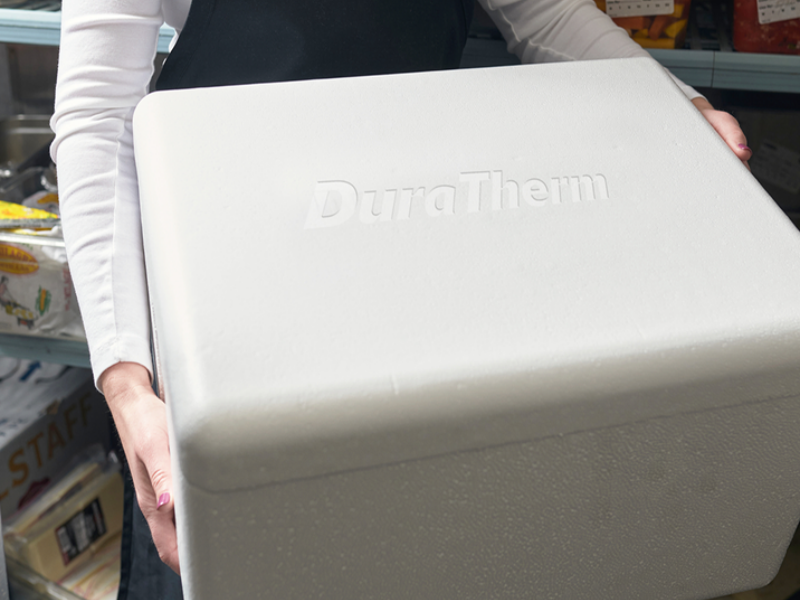 EPS foam insulated packaging |
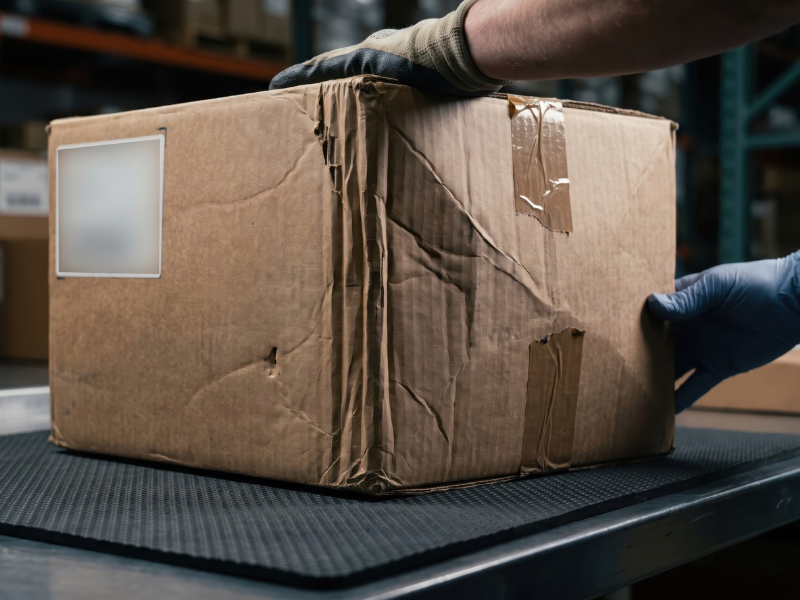 Corrugated and paper-based packaging |
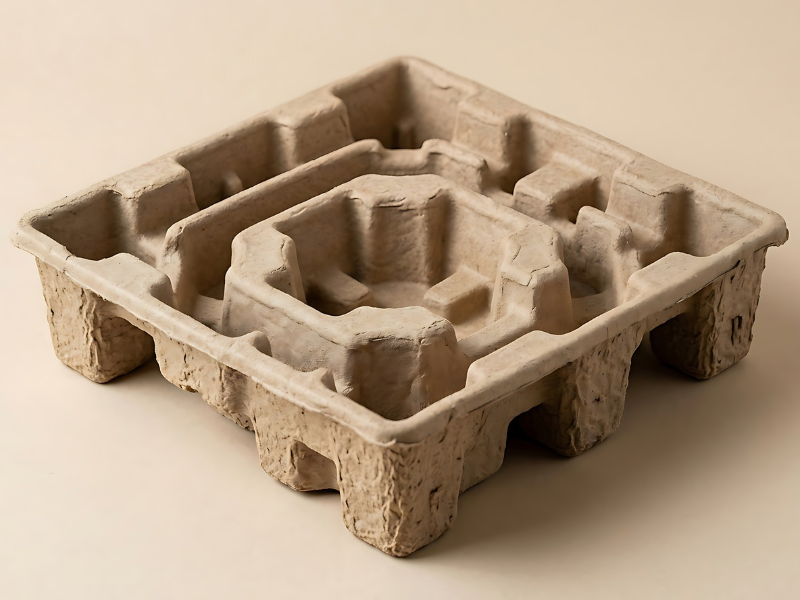 Molded pulp |
| Primary Role | Combines thermal insulation, cushioning and molded product protection | Provides structure and an outer shipping container | Provides molded cushioning and product separation |
| Common applications | Insulated shipping, cold chain, wine, food and beverage, pharmaceutical and protective packaging | Outer cartons, general shipping and products with lower thermal requirements | Protective inserts and certain non-temperature-sensitive products |
🔍 Want to compare the materials themselves?
Understanding how different materials compare can help you choose an option that best suits your products, shipping needs, and sustainability goals. See how EPS, cardboard and molded pulp compare across sustainability, resource use, recyclability and reuse in our guide to EPS vs. traditional packaging materials.
Finding the Right Protective Packaging Solutions
Choosing more sustainable alternatives for your shipping needs doesn’t mean sacrificing performance. Solutions are available that provide the thermal protection, durability, and fit your products require while also supporting your sustainability goals.
There is no single option that works for every product or shipping application. Working with a packaging expert can help you evaluate the specific requirements needed and identify a solution that will balance protection, performance, cost, and suitability, rather than settling for a one-size-fits-all option.
To get started, find a territory sales representative in your area.
Frequently Asked Questions
What are some sustainable materials for packaging?
Common options include corrugated and paper-based packaging, molded pulp, reusable packaging systems and EPS foam packaging. Each has different strengths related to insulation, cushioning, weight, reuse, recycled content and end-of-life options.
Why is Styrofoam being banned in some places?
Some jurisdictions have restricted certain single-use polystyrene products because of concerns related to litter, waste management and limited local recycling infrastructure. Rules vary by location and product category, so businesses should review the requirements that apply to the markets where their packaging is used.
It’s also important to distinguish Styrofoam Brand XPS from EPS packaging. Although the terms are frequently used interchangeably, they are different materials.
Is EPS foam different from Styrofoam?
Yes, EPS, or expanded polystyrene, is the lightweight molded foam commonly used for insulated shipping containers, coolers and protective packaging.
Styrofoam is a brand name for extruded polystyrene, or XPS, which is commonly used as a building insulation material. Businesses searching for large Styrofoam shipping containers are often actually looking for EPS packaging or alternatives to it.